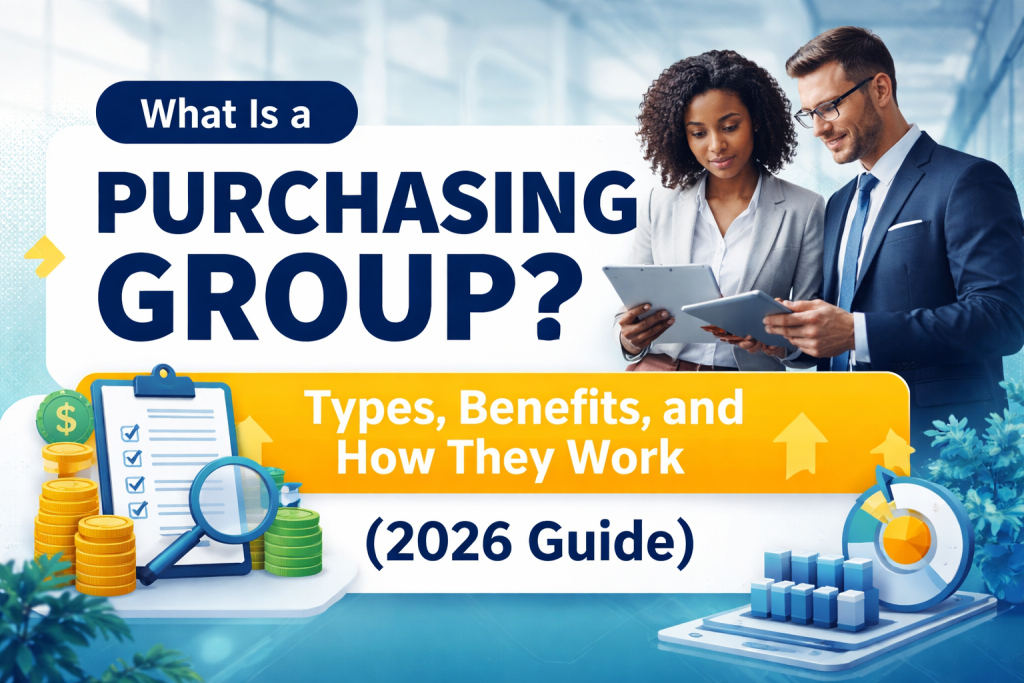
What Is a Purchasing Group?
A purchasing group (also known as a group purchasing organization or GPO) is an entity that helps businesses, schools, healthcare systems, and government organizations reduce costs by leveraging collective buying power.
Instead of negotiating contracts individually, members of a purchasing group gain access to pre-negotiated agreements with suppliers. These agreements typically offer better pricing, improved terms, and streamlined procurement processes.
Purchasing groups are widely used across industries to simplify sourcing, increase efficiency, and improve compliance.
At Purchasing Edge, we focus on helping organizations understand and evaluate purchasing groups more effectively.
If you’re evaluating whether this model is right for you, here’s a guide on how to choose the right purchasing group.
How Do Purchasing Groups Work?
Purchasing groups aggregate demand from multiple organizations and use that volume to negotiate contracts with suppliers.
Here’s how the process typically works:
- A purchasing group negotiates contracts with vendors based on the collective purchasing volume of its members
- Organizations join the purchasing group (often at low or no cost)
- Members purchase goods or services through those contracts
- Suppliers may pay administrative fees to the purchasing group based on usage
This model allows organizations to benefit from enterprise-level pricing without needing enterprise-level scale.
Types of Purchasing Groups
Not all purchasing groups are the same. Understanding the different types can help you determine which model is right for your organization.
Industry-Specific vs. Multi-Industry Purchasing Groups
Some purchasing groups focus on a single sector, such as healthcare, education, or government. Others operate across multiple industries.
For example, organizations like Vizient and Premier Inc. specialize in healthcare, while OMNIA Partners serves multiple industries including public sector and corporate clients.
Public Sector Cooperatives vs. Private GPOs
Public sector cooperatives are designed for government agencies, schools, and municipalities. These organizations often emphasize compliance and ease of procurement.
A well-known example is Sourcewell, which provides competitively solicited contracts for public entities.
Private GPOs, on the other hand, may focus more on flexibility, broader supplier networks, or industry-specific solutions.
Member-Driven vs. Vendor-Driven Models
Some purchasing groups are primarily driven by the needs of their members, while others are more influenced by supplier relationships.
- Member-driven organizations prioritize cost savings, transparency, and alignment with member needs
- Vendor-driven organizations may emphasize supplier partnerships and contract volume
Understanding this distinction can help you evaluate how aligned a purchasing group is with your goals.
Direct vs. Indirect Spend Focus
Purchasing groups may specialize in different types of spend:
- Direct spend: materials or goods used directly in production or service delivery
- Indirect spend: operational purchases such as office supplies, maintenance, or IT services
Some GPOs focus heavily on one category, while others offer a broader mix.
How Do Purchasing Groups Make Money?
Most purchasing groups operate using a vendor-funded model.
Instead of charging members high fees, they typically earn revenue through administrative fees paid by suppliers based on contract usage.
This structure allows many organizations to join purchasing groups at little to no upfront cost.
Benefits of Joining a Purchasing Group
Organizations join purchasing groups for a variety of reasons:
- Cost savings through pre-negotiated contracts
- Time savings by reducing the need for individual sourcing and negotiations
- Access to vetted suppliers and established vendor relationships
- Improved compliance with procurement policies
- Operational efficiency through standardized purchasing processes
To better understand these advantages in detail, see our breakdown of the benefits of partnering with a buying group.
Limitations to Be Aware Of
While purchasing groups offer many advantages, there are also some limitations:
- Pricing is not always publicly visible before joining
- Not all vendors may be included in contracts
- Some agreements may require minimum purchasing volumes
- Contract terms and flexibility can vary between organizations
Understanding these trade-offs is important when evaluating your options.
Final Thoughts
Purchasing groups can be a powerful tool for organizations looking to reduce costs and streamline procurement. However, not all purchasing groups are structured the same way.
Understanding the different types, models, and trade-offs is the first step toward making an informed decision.
If you’re ready to explore your options, review the top purchasing organizations by industry to see how different providers compare.
Or, if you want help comparing options, you can find the right purchasing group for your organization here.